Water damage help you can request
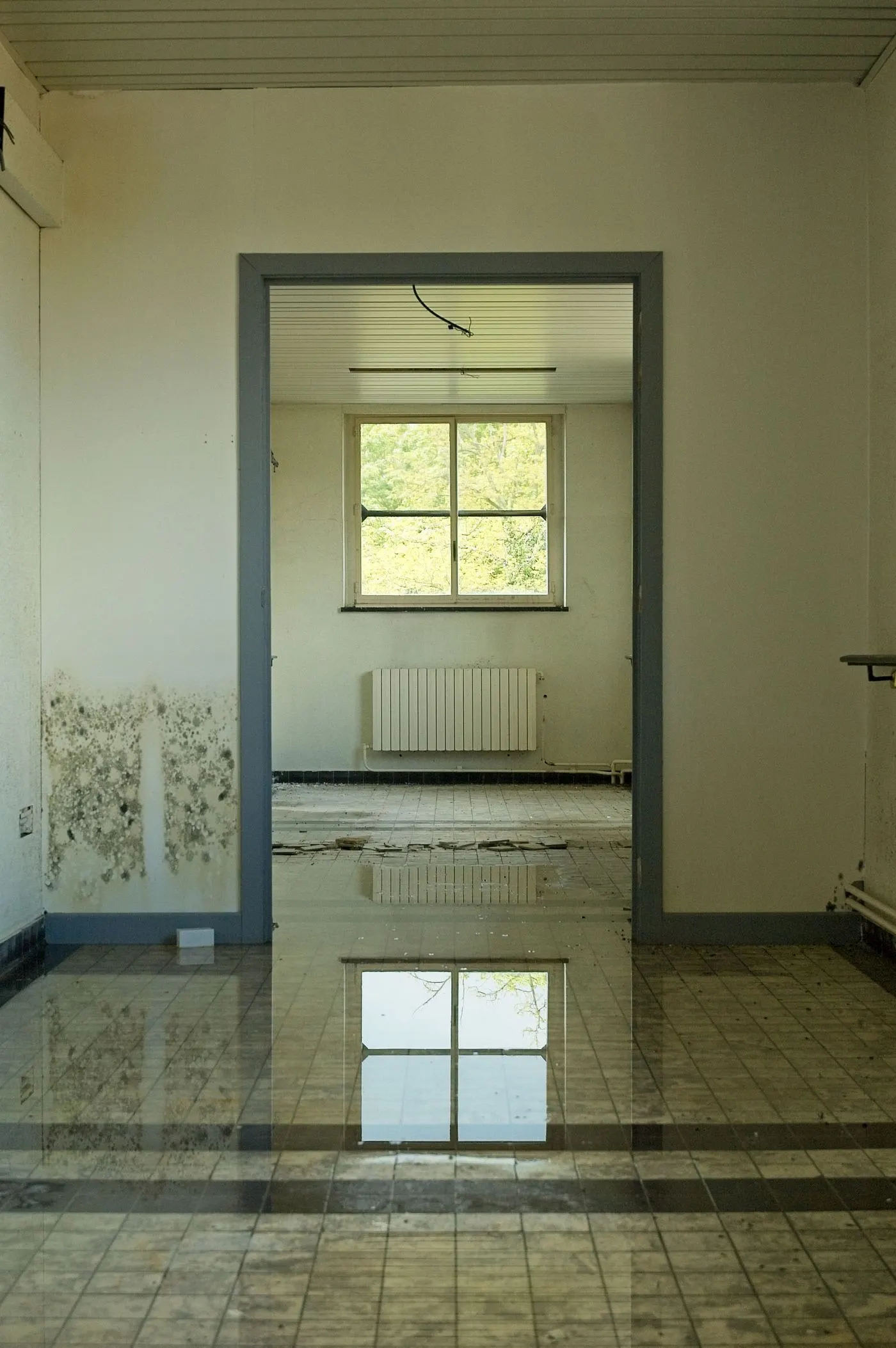
Water damage restoration
Full cleanup after a leak or flood: water removal, drying, and repairs.
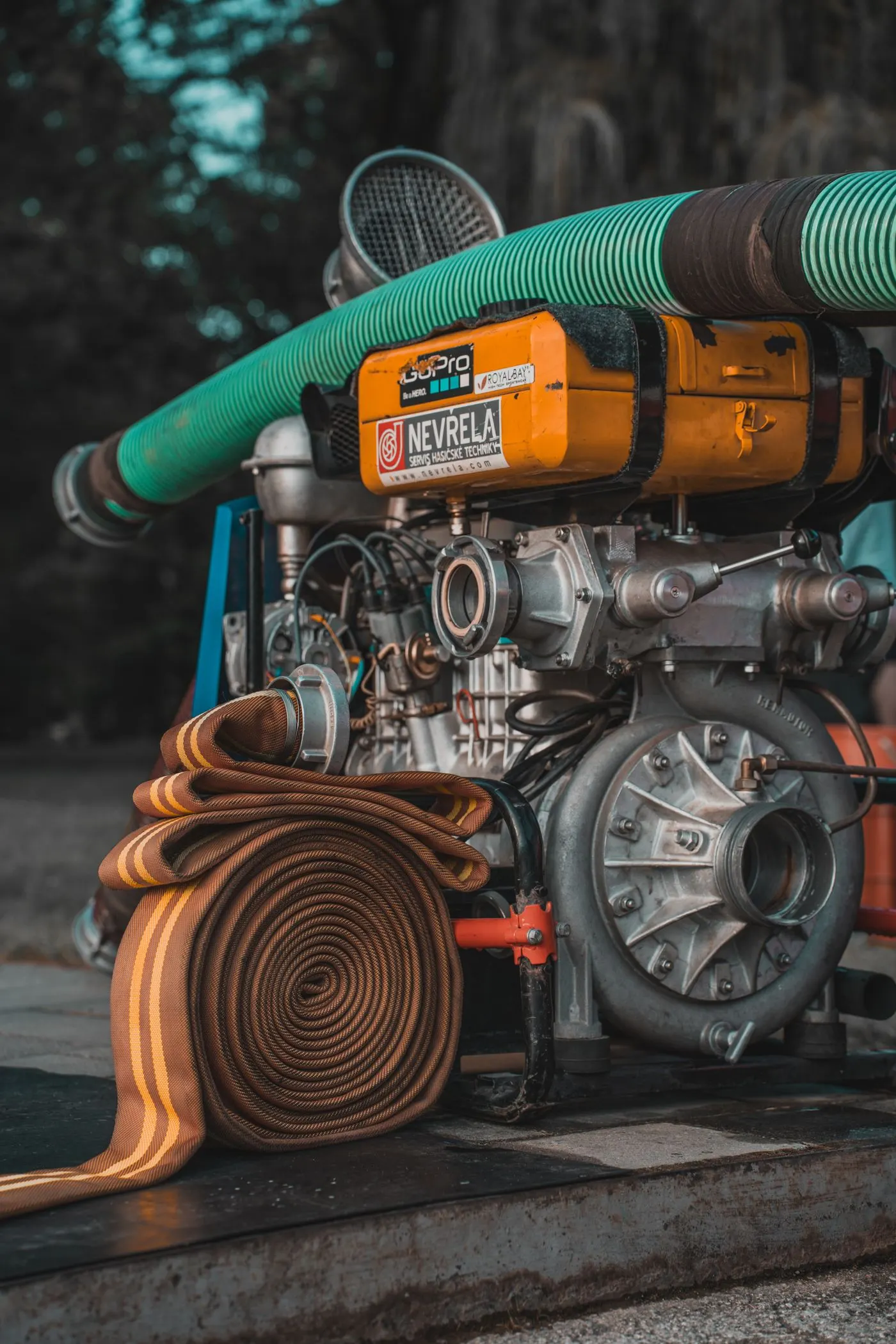
Water extraction and drying
Pumping out standing water and drying floors, walls and air.
Burst pipe cleanup
Water damage from frozen or failed pipes, supply lines and water heaters.
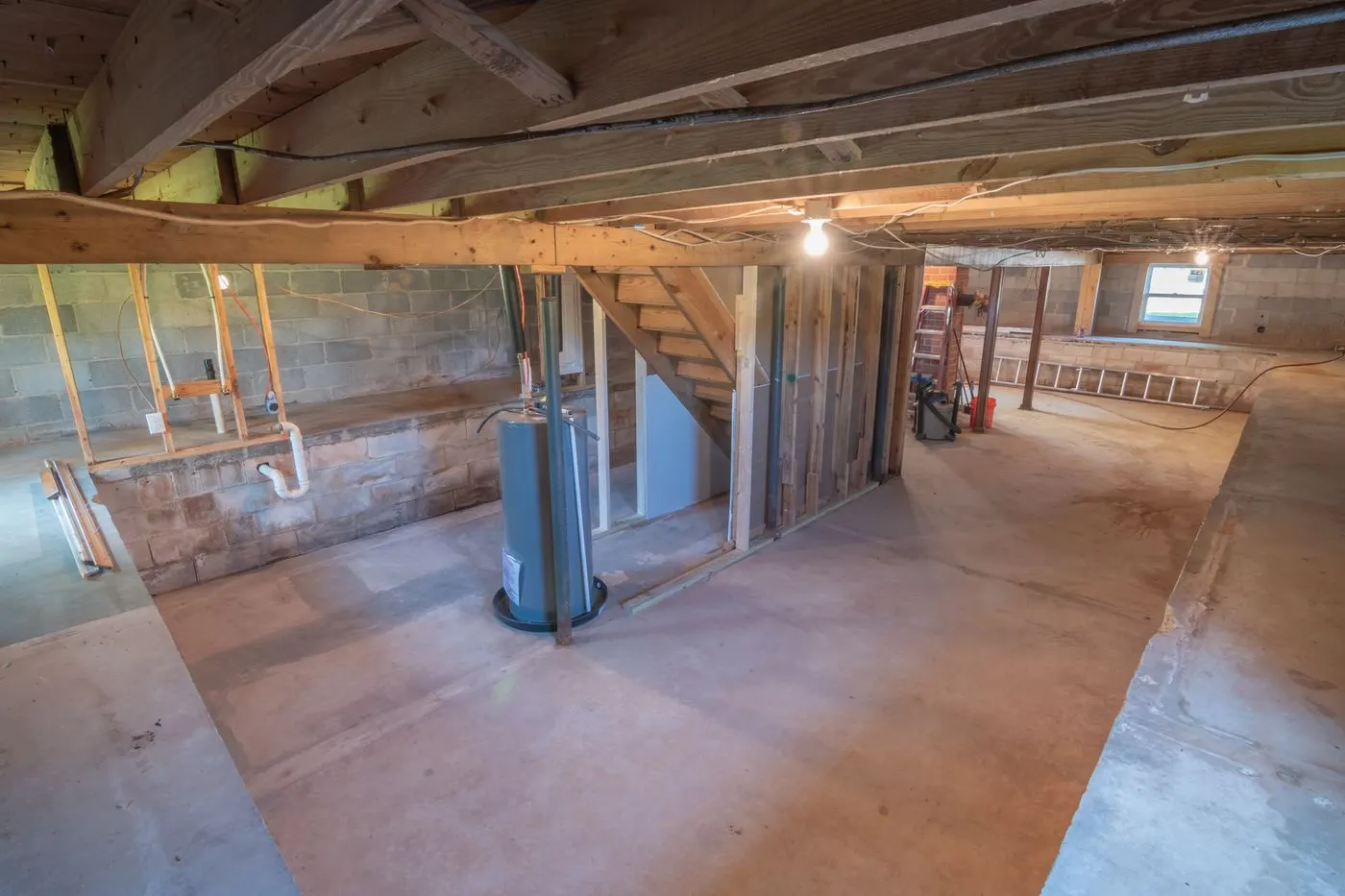
Flooded basement cleanup
Water in the basement from storms, groundwater, sump failure or appliances.
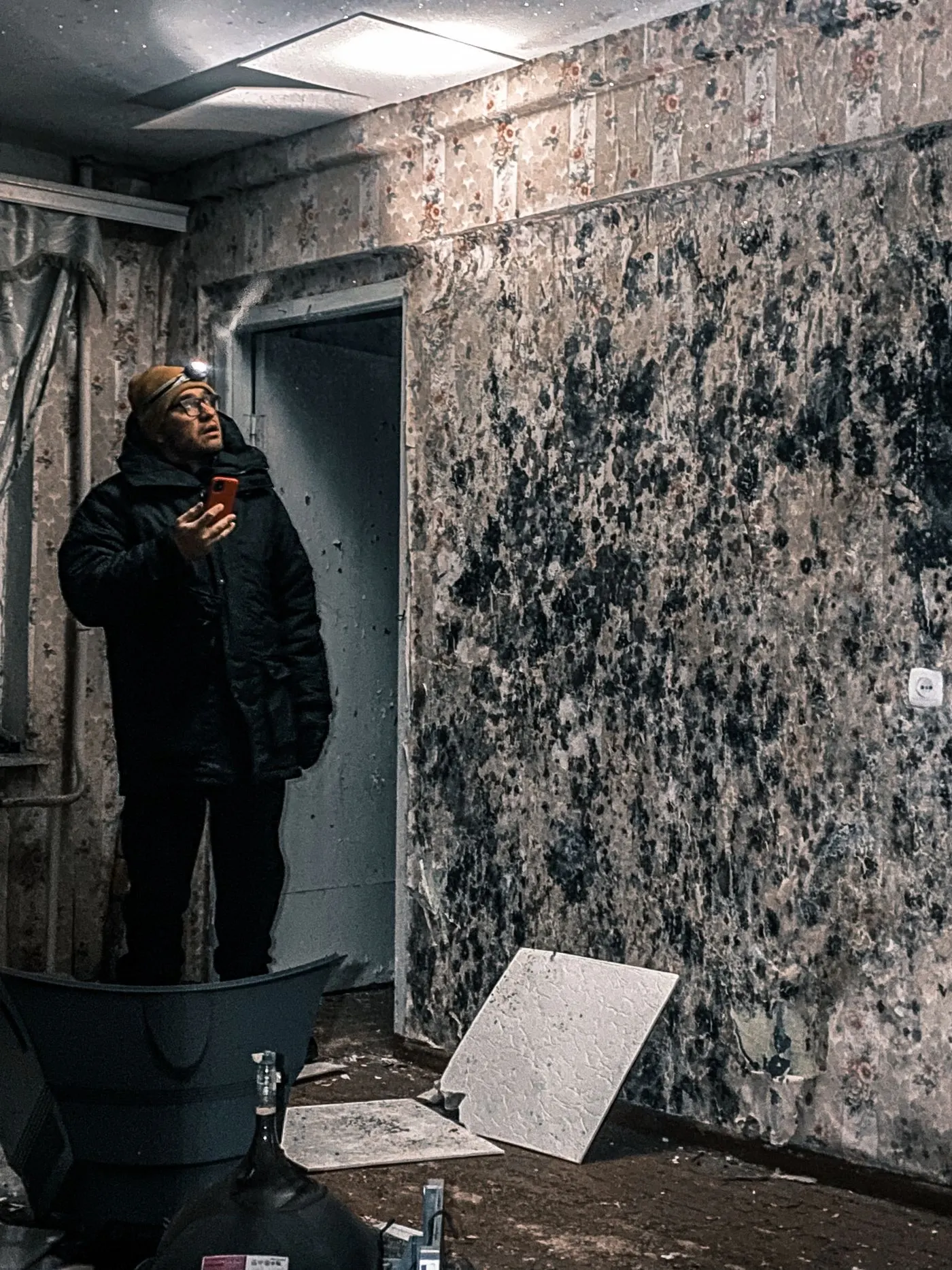
Mold remediation after water damage
Mold cleanup when a leak or flood was not dried in time.
Sewage backup cleanup
Sewer and drain backups into basements, tubs and floor drains.
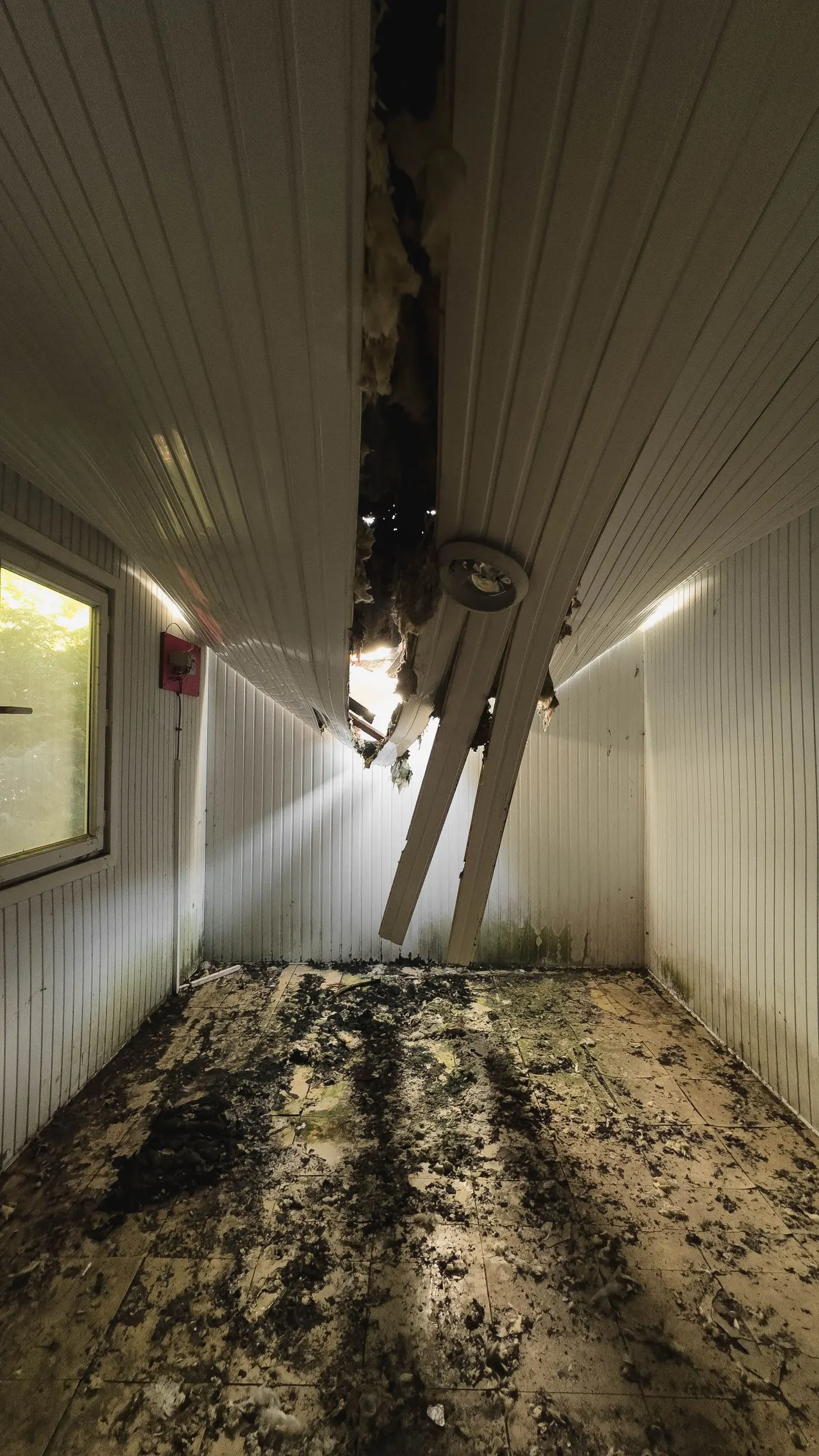
Storm and roof leak damage
Ceiling stains, wet attics and walls after storms, ice dams or roof leaks.
Water damage is a race against time. Drywall wicks water upward, wood floors cup, and carpet pads hold moisture long after the surface feels dry. Mold can start growing on wet building materials within a day or two, according to the EPA. The sooner standing water is removed and the house is dried with the right equipment, the less has to be torn out later.
When you send a request from Scarsdale or a nearby town, we pass it to a local water damage restoration contractor who works in this part of Westchester County. They contact you, ask what happened, and set up a visit to measure moisture and explain what needs to come out, what can be dried in place and what it will cost. Sending a request is free, and you decide whether to hire them.
Scarsdale sits in the Bronx River Valley, and the Bronx, Sheldrake and Hutchinson rivers all touch the village. When the remnants of Hurricane Ida hit the region on September 1, 2021, local reporting described every major Scarsdale road as flooded, and many residents found water in their lower levels. The village has since studied undersized drains in parts of Fox Meadow and the upper Sheldrake area. If your street floods in heavy rain, it helps to know what to do in the first hour.
Not every job is a flood. Most calls start with something smaller: a supply line under a sink, a water heater that lets go in the basement, an ice dam that pushes melt water under the shingles, or a toilet that overflows upstairs. Each of those can do real damage to a ceiling, a wall or a finished basement. Tell us what you are seeing and we route the request accordingly.
What a good restoration visit looks like
A contractor should use a moisture meter, and often a thermal camera, to find where water traveled inside walls and under floors.
Ask for a list of what will be removed, what will be dried in place, what equipment will run and for how long.
Good contractors photograph the damage and the moisture readings. Your insurer will usually want those records.
Drying is finished when readings reach normal levels for the material, not when a set number of days has passed. Ask what target they use.
Westchester County requires home improvement contractors to hold a county license. Ask for the number and check it before work begins.
How it works
- Tell us what happenedUse the request form to describe the source of the water, which rooms are wet and your town. Mention if the water is from a sewer or toilet.
- We pass it onWe send your request to a local restoration contractor who works in your part of Westchester.
- The contractor reaches outThey contact you to ask questions and set a time to inspect, take moisture readings and photograph the damage.
- You decideYou get a written scope and price and decide whether to go ahead. There is no obligation.
The first hour after you find water
Start with safety. If water is near outlets, extension cords, appliances or the electrical panel, do not walk into it. Call your electric utility or an electrician to cut power to that area. If you smell gas, leave the house and call 911 or your gas utility from outside. Do not go into a sagging ceiling area; wet plaster and drywall are heavy and can fall.
If the water is coming from your plumbing and you can reach it safely, close the main water shutoff. In many Westchester houses it sits on the basement wall where the water line comes in, near the meter. Then take photos and video of everything before you move anything. Lift rugs, furniture legs and boxes off wet floors if you can do it without risk. Leave demolition to the contractor.
Clean water, gray water and black water
Restoration contractors sort water into three rough categories. Clean water comes from a supply line or a rain leak. Gray water carries some contamination, such as a washing machine or dishwasher overflow. Black water includes sewage and outside flood water that has run over the ground. The category changes the job: black water usually means porous materials like carpet and drywall have to be removed, not dried, and the crew wears protective gear.
Insurance in plain terms
Many homeowners policies cover water damage that is sudden and accidental, like a pipe that bursts. Damage from a slow leak that went on for months is often excluded, and so is flood water that comes in from outside, which is usually covered only by separate flood insurance. Sewer backup coverage is often an add-on. Every policy is different, so call your insurer or agent, ask what applies, and keep copies of photos, invoices and moisture logs.
Why drying matters more than it looks
A floor can feel dry on top while the subfloor is still wet. Wall cavities hold moisture behind paint. Restoration crews use air movers to pull moisture off surfaces and dehumidifiers to take it out of the air, then measure again each day. Turning on a box fan and opening a window helps a little, but on a humid Westchester summer day it can actually add moisture. That is the main reason people bring in a contractor with drying equipment.
What water damage restoration typically costs
Published national ranges, not quotes. Westchester prices often land toward the upper end because labor costs here are above the national average.
| Job | Typical range |
|---|---|
| Water damage restoration, most jobs | about $1,200 to $5,000 |
| Water extraction, per square foot | about $3.75 to $7.50 |
| Drying a 500 sq. ft. basement (no repairs) | about $2,000 to $7,000 |
| Mold remediation, most jobs | about $1,500 to $9,000 |
| Sewage backup cleanup | about $2,000 to $10,000 |
| Roof leak repair | about $350 to $1,500 |
| Ceiling repair after a leak | about $325 to $1,100 |
Ranges are national figures from the sources below, rounded, and are not quotes. Your price depends on the water category, how many rooms and materials got wet, how long the water sat, access and what has to be rebuilt.
Sources: Fixr, water damage restoration; Fixr, mold remediation; Bob Vila, sewage backup cleanup; Fixr, roof leak repair
Towns we take water damage requests from
Requests come from Scarsdale and towns within about 15 miles, from the Hudson River villages to the Long Island Sound shore.
Questions homeowners ask
What should I do first when I find water in my house?
Get away from any water near electrical outlets or the panel, and call your utility if power needs to be cut. If the water is from your plumbing, close the main shutoff if you can reach it safely. Then photograph everything and send a request so a restoration contractor can start drying.
How much does water damage restoration cost in Scarsdale?
Fixr puts most water damage restoration jobs at about $1,200 to $5,000 nationally, and Westchester prices often run toward the high end. Big jobs with sewage, mold or a whole finished basement can cost far more. Ask for a written scope before work starts.
How fast does mold grow after water damage?
Mold can begin growing on wet materials within 24 to 48 hours, according to the EPA. That is why fast extraction and drying matter. If materials stayed wet for several days, ask the contractor to check behind baseboards and inside walls.
Does homeowners insurance cover water damage?
Many policies cover sudden and accidental water damage, such as a burst pipe. Slow leaks, outside flood water and sewer backups are often excluded or need separate coverage. Check your own policy with your insurer or agent.
Who will come to my house?
A local water damage restoration contractor who works in your part of Westchester. They contact you directly, inspect the damage and give you their price. You choose whether to hire them.
Can I just dry it out myself with fans?
Small spills on hard floors often dry fine with fans and a dehumidifier. Water inside walls, under flooring or in carpet pad is harder to dry than it looks, and hidden moisture can lead to mold. A contractor with moisture meters can tell you what is still wet.
Is it safe to stay in the house?
Often yes, if the water was clean and the damage is limited to one area. Sewage, a sagging ceiling, electrical hazards or widespread mold are different. When in doubt, stay out of the affected area until a professional has looked at it.